Blog

What Is Load Bank Testing and Why It Matters for Backup Power Systems

Introduction

Electrical systems can develop hidden issues over time, such as overheating connections or
overloaded components.

These problems are often not visible during normal inspection, but can lead to equipment
failure, power trips or even fire hazards.

Infrared thermography is a non-invasive method used to detect such issues early.

What Is Infrared Thermography?

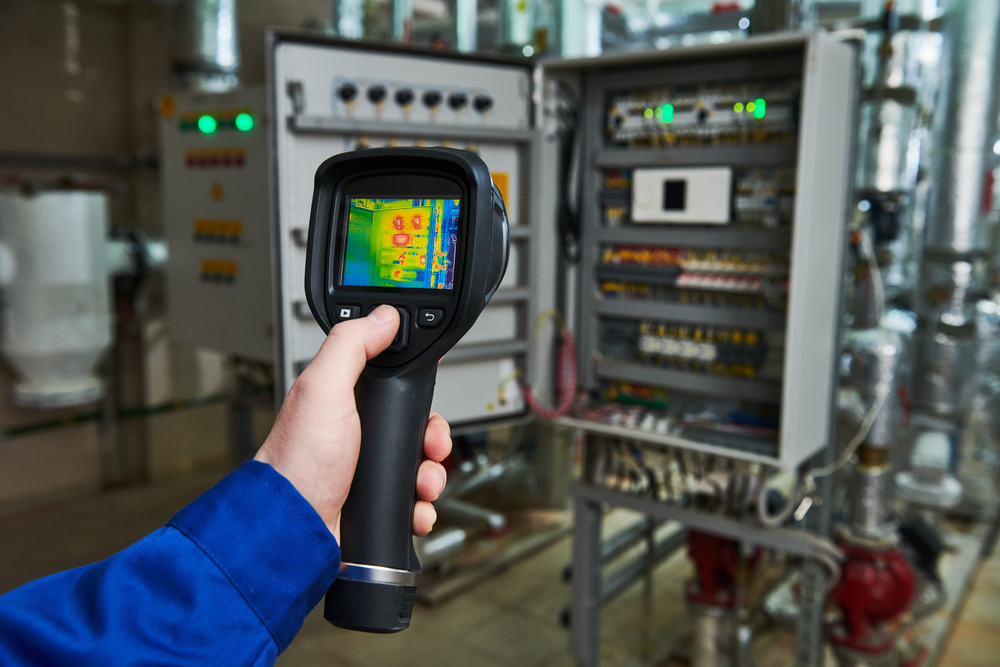
Infrared thermography is a testing method that uses thermal imaging cameras to detect temperature differences in electrical systems.

By scanning equipment under operation, engineers can identify abnormal heat patterns that indicate potential faults.

What Can Thermography Detect?

Infrared thermography can help identify:

Why Thermography Is Important

1. Detects Problems Early

Thermography identifies issues before they become critical, reducing the risk of sudden
failure.

2. Prevents Power Trips and Downtime

Early detection allows corrective action before faults lead to system trips or disruptions.

3. Improves System Reliability

Regular thermal inspection ensures that electrical systems operate within safe temperature limits.

4. Supports Preventive Maintenance

Thermography is a key tool in predictive and preventive maintenance programmes.

When Should Thermography Be Conducted?

Infrared thermography is typically carried out:

Common Applications

Thermography is widely used in:

Conclusion

Infrared thermography is an essential tool for identifying hidden electrical issues and preventing system failures.

By detecting problems early, it helps improve safety, reliability and overall system performance.