What to Consider Before Installing a Solar PV System
Introduction
Solar PV systems are increasingly adopted by commercial and industrial facilities to reduce Solar PV systems are increasingly adopted by commercial and industrial facilities to reduce
However, installing a solar system is not just about placing panels on the roof. Proper planning and design are critical to ensure performance, safety and long-term reliability.
What Is a Solar PV System?
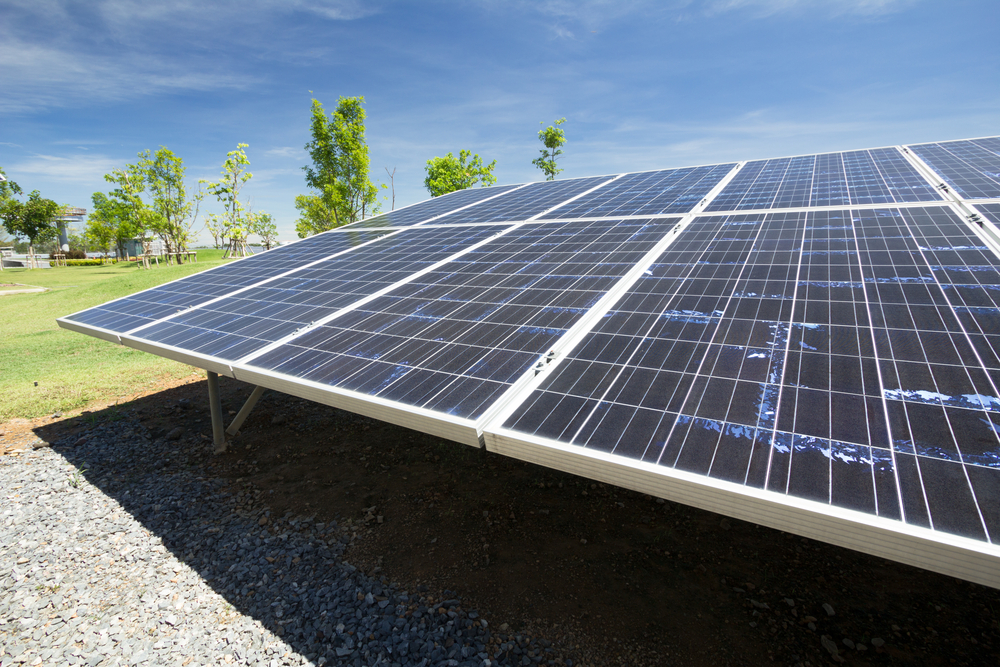
A solar photovoltaic (PV) system converts sunlight into electricity for use within a building.
A typical system includes:
Solar panels
Inverters
Mounting structures
Electrical distribution connections
Key Considerations Before Installation
1. Roof Condition and Structural Capacity
Before installation, the roof must be assessed to ensure it can support the solar system.
Factors include:
Structural loading capacity
Roof condition and lifespan
Available installation area
2. Electrical System Capacity
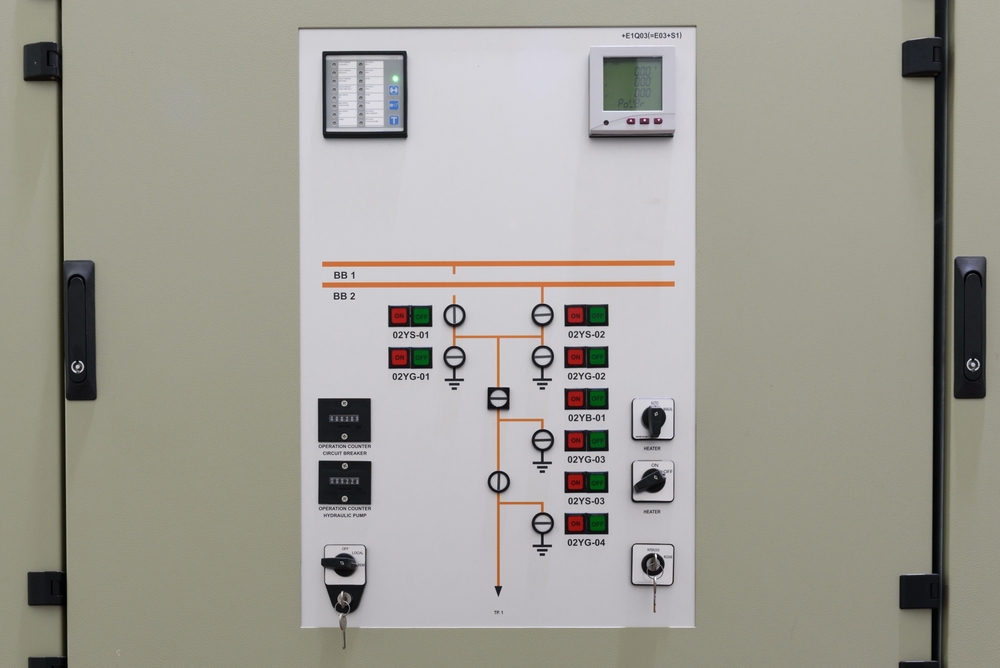
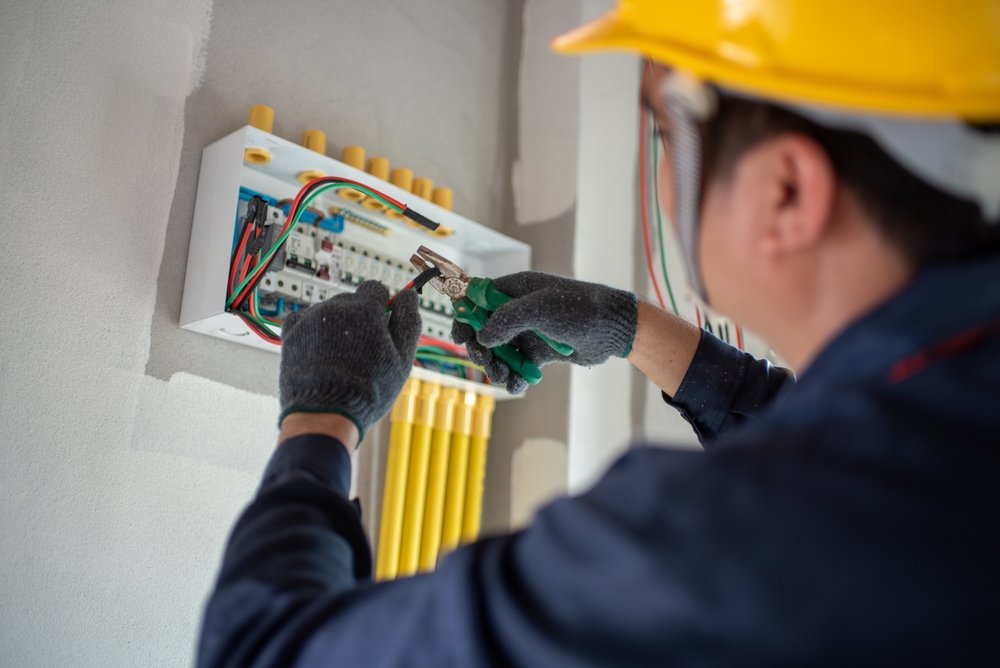
The existing electrical system must be evaluated to ensure it can accommodate solar integration.
This includes:
Load analysis
Distribution board capacity
Connection to the main electrical system
3. System Design and Energy Output
Proper system design is required to maximise energy generation.