Blog

What Is Infrared Thermography in Electrical Maintenance?

Introduction

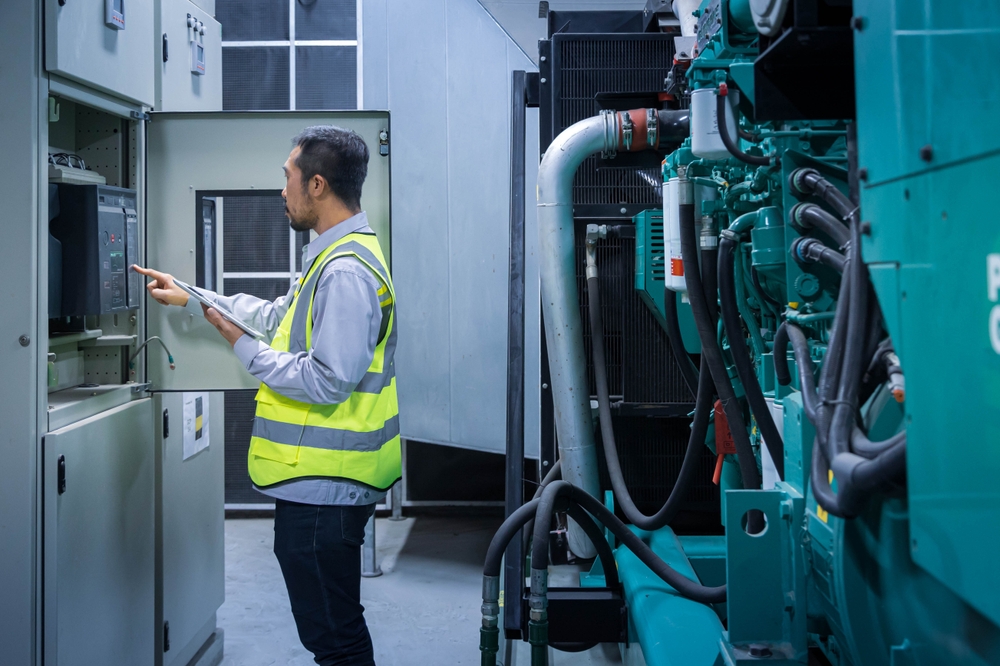
For facilities that rely on backup power, such as data centres, hospitals and commercial
buildings, generator reliability is critical.

One of the most important tests to ensure generator performance is load bank testing.

Without proper testing, a generator may fail when it is needed most.

What Is Load Bank Testing?

Load bank testing is a process that applies an artificial electrical load to a generator to verify its performance under real operating conditions.

This allows engineers to assess whether the generator can:

Why Load Bank Testing Is Important

1. Verifies Generator Performance

Generators are often idle for long periods. Load bank testing ensures the system is functioning properly when required.

2. Prevents Hidden Failures

Issues such as carbon buildup, wet stacking or component degradation may not be visible during normal operation.

Testing under load helps identify these problems early.

3. Ensures Compliance and Readiness

For critical facilities, regular testing is often required to meet operational and safety standards.

Load bank testing confirms that backup power systems are ready for emergency use.

4. Supports Preventive Maintenance

Testing provides valuable data on generator condition, allowing timely maintenance before major failures occur.

An LEW is required to assess the system and submit approvals.

When Should Load Bank Testing Be Carried Out?

Load bank testing is typically performed:

Common Applications

Load bank testing is commonly carried out in:

Conclusion

Load bank testing plays a critical role in ensuring generator reliability and performance.

For facilities that depend on backup power, regular testing is essential to prevent failure and maintain operational continuity.