Electrical systems require regular maintenance to ensure safe and reliable operation.
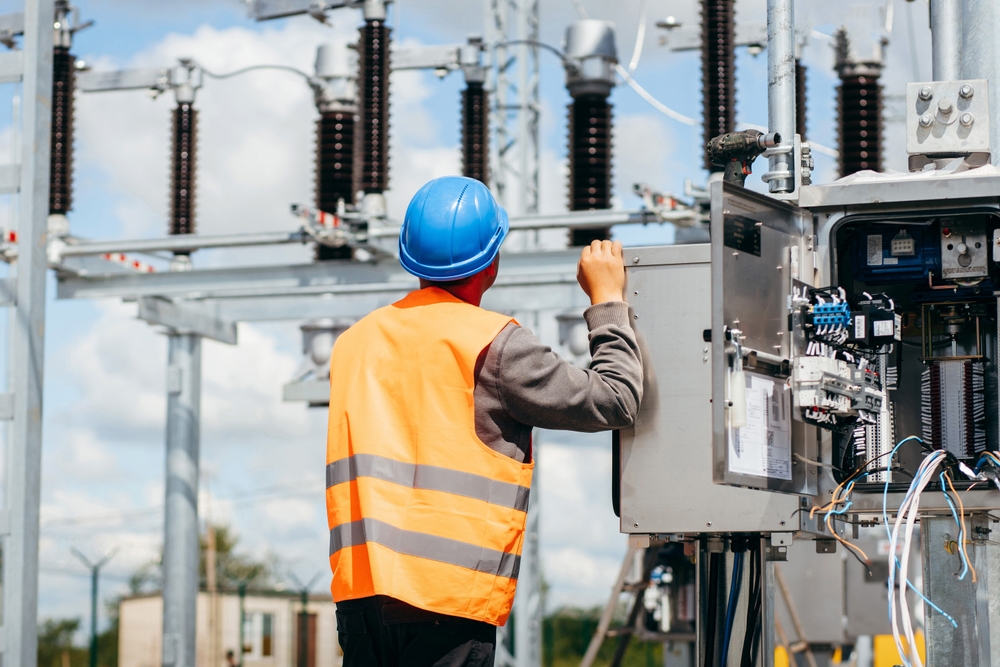
While some inspections can be carried out when the system is energised, many critical maintenance works can only be performed during a planned electrical shutdown.
Infrared thermography is a non-invasive method used to detect such issues early.
What Is a Planned Electrical Shutdown?
A planned electrical shutdown is a controlled process where electrical systems are temporarily isolated to allow maintenance, repair and upgrading works to be carried out safely.
Why Planned Shutdowns Are Necessary
1. Safe Execution of Maintenance Works
Certain works cannot be performed on live systems, including:
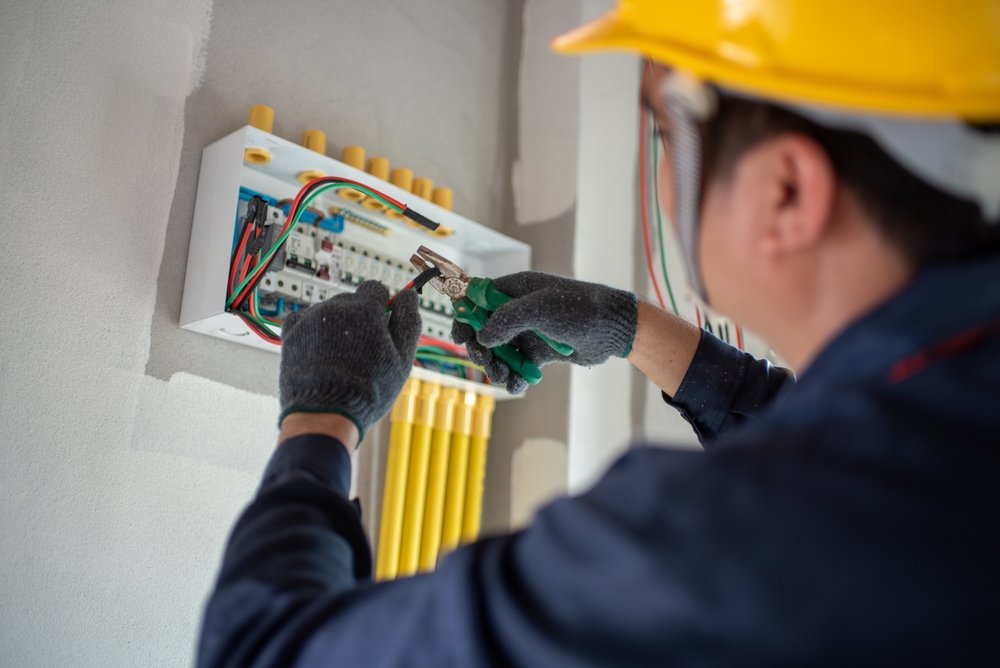
Tightening of electrical connections
Cleaning of switchboards and components
Replacement of worn or faulty parts
A shutdown ensures these works can be carried out safely.
2. Allows Proper Inspection and Fault Identification
During shutdown, engineers are able to carry out closer inspection of equipment, including:
Signs of overheating or damage
Loose or deteriorated connections
Worn-out components
These issues are often not visible during normal operation.
3. Improves System Reliability and Lifespan
Regular maintenance during shutdown helps to:
Improve system performance
Extend the lifespan of electrical equipment
4. Supports System Upgrading
Shutdown is required for:
Electrical upgrading works
Load expansion
System modification
What Is Typically Carried Out During a Shutdown?
During a shutdown, works may include:
Isolation and safety procedures
Cleaning of electrical panels and switchgear
Tightening and re-termination of connections
Replacement of faulty components
Testing and verification before re-energisation
Conclusion
Planned electrical shutdowns are essential for carrying out maintenance safely and effectively.
By combining regular inspection with scheduled shutdowns, facilities can improve reliability, reduce risk and extend the lifespan of their electrical systems.